Plus, having friends or family members who are sober can help you cut back on alcohol consumption or get sober altogether. Having a toolbox of coping strategies can help you prepare for when a panic attack kicks in and prevent it from happening in the first place. Phobias – phobias are intense fears of a specific thing or situation that poses little to no threat. Some common phobias are spiders/insects, crowded places, and heights. Panic attack treatment ranges from lifestyle changes to psychotherapy and various medical interventions. Alcoholics Anonymous and other 12-step programs can be beneficial for some individuals.
Address Alcohol-Related Anxiety
- To get started and learn about your treatment options, take our free online assessment, to see if Talkiatry is right for you and get matched with a psychiatrist.
- Although alcohol makes you fall asleep faster, it interrupts your natural sleep-wake cycle (or circadian rhythm).
- Long-term use can result in permanent changes to brain structure and function.
- While it may offer short-term relief, it can lead to long-term problems.
- Excessive consumption of alcohol causes dehydration, which can make you feel dizzy and increase your heart rate.
However, their use is carefully monitored due to drug addiction potential for abuse and interaction with alcohol. Regular practice helps individuals stay present and manage stress more effectively. Eating before drinking slows alcohol absorption, reducing its impact on anxiety.
The Relationship Between Alcohol and Panic Attacks
This type of self-medication can lead to alcohol dependency and may result in regular, alcohol-induced panic attacks. At Priory, our specialists regularly meet with people experiencing both alcohol issues and mental health concerns. While alcohol can lessen or put a stop to the anxious thoughts that often lead to panic attacks, drinking will only ever be a temporary fix. It will stop working once the alcohol leaves your body, and if you continually drink to quash your panic attacks, this can lead to long-term damage.
- Anyone can experience anxiety—or “hangxiety”—after drinking, even if you aren’t dealing with alcohol dependence.
- Approximately 30-50% of individuals with alcohol-induced anxiety disorder report difficulty concentrating.
Symptoms of Panic Attacks
It’s not unusual for someone to wake up after a night of drinking feeling social embarrassment and regret. While dehydration does not cause anxiety, these conditions are related. Often considered a first-line treatment for alcohol-induced anxiety disorder, sertraline is particularly effective for individuals with chronic anxiety.

Who can prescribe medication?
Working with a therapist generally involves regular talk therapy sessions where you discuss your feelings, problem-solving strategies, and coping mechanisms to help with your condition. Similarly, if you find yourself regularly experiencing the symptoms of an anxiety disorder—including panic attacks—it’s important to seek help. Anyone can experience anxiety—or “hangxiety”—after drinking, even if you aren’t dealing with alcohol dependence. However, if you find yourself frequently experiencing anxiety and regret after drinking, particularly after heavy drinking, it may be a sign of a more serious problem.
- Complex carbohydrates and protein-rich foods provide steady energy and help stabilize mood.
- Learn about Xylazine, its dangers, signs of abuse, and withdrawal symptoms.
- But large doses of alcohol, especially for heavy drinkers, greatly interferes with GABA’s functioning and create feelings of panic.
- Individuals experiencing panic attacks may feel a loss of control or fear of death.
- Limiting caffeine intake, particularly before and after drinking alcohol, can help reduce anxiety symptoms.
Alcohol and panic attacks
Panic attacks affect 20-40% of individuals with alcohol-induced anxiety disorder. These sudden episodes of intense fear or discomfort are often accompanied by physical symptoms like chest pain, shortness of breath, and dizziness. Alcohol-induced panic attacks are typically triggered by the body’s heightened anxiety response during withdrawal. Individuals with pre-existing anxiety disorders may be more prone to panic attacks. Pre-existing anxiety disorders, such as generalized anxiety disorder (GAD) or panic disorder, increase the risk of heightened anxiety after alcohol consumption.
Although this interaction of GABA and alcohol produces a calm state, it is only for a short while, after which does alcohol cause anxiety the person begins to feel anxious. It has been proven that alcohol does, in fact, trigger panic attacks and anxiety attacks. Alcohol can trigger panic attacks and anxiety, and anxiety and panic attacks can trigger alcohol use. While it may offer short-term relief, it can lead to long-term problems.
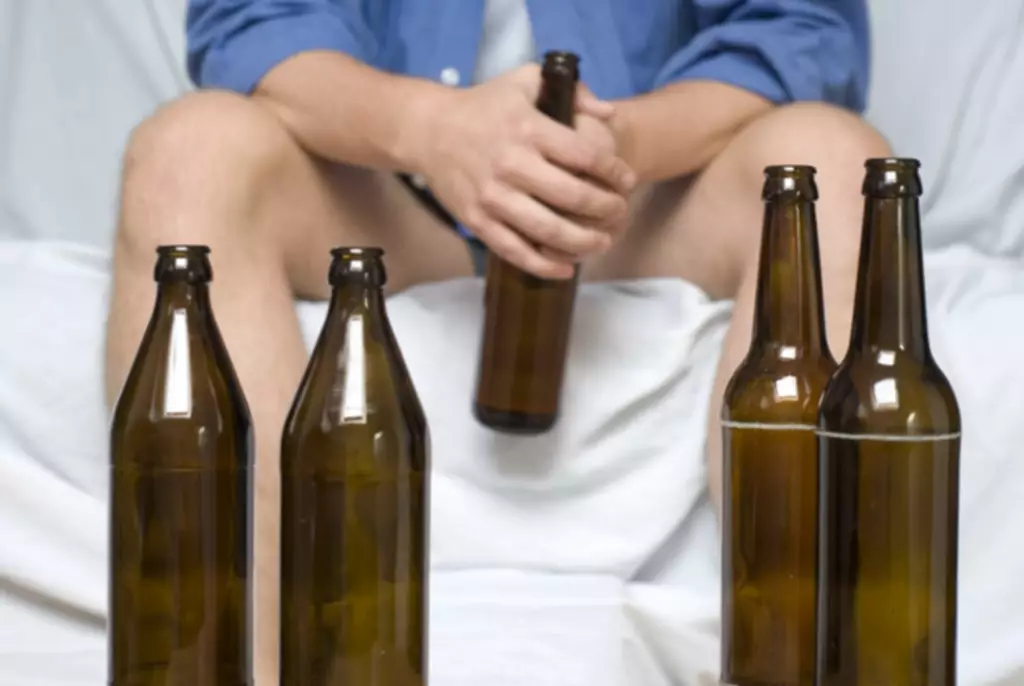
Alcohol Withdrawal and Anxiety
In addition, researchers found people who score high on measures of shyness to be particularly susceptible to hangover anxiety. Buspirone is often prescribed for long-term management of alcohol-induced anxiety disorder. It is typically taken twice daily, with dosage adjustments based on the patient’s response.