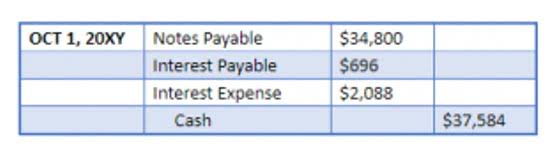
Adjusting entry for prepaid expenses involves debiting an expense account and crediting an asset account. An adjusting entry for deferred revenues would involve debiting a liability account and crediting a revenue account. Examples of deferred revenues include rent received in advance, subscription fees, and customer deposits.

Accrued Rent

Such adjusting entries are made to correct any inaccuracies, omissions, or oversights that may have occurred during the normal bookkeeping process adjusting journal entries examples at the end of an accounting period. As some transactions take place over time and are not recorded during routine business operations, these adjustments are required. For example, suppose a business charges annual subscriptions of 3,000 to customers, which are recorded in the unearned revenue account when received.
Journalizing Adjusting Entries Examples and Types

Examples of accruals include accrued salaries, interest payable, and accrued rent. Also referred to as a “p.o.” A multi-copy form prepared by the company that is ordering goods. The form will specify the items being ordered, the quantity, price, and terms. One copy is sent to the vendor (supplier) of the goods, and one copy is sent to the accounts payable department to be later compared to the receiving ticket and invoice from the vendor. If the revenues earned are a main activity of the business, they are considered to be operating revenues.
- Because this $3,000 was earned in December, it must be entered and reported on the financial statements for December.
- Offering these discounts can boost cash flow, as most businesses report quicker payments when they provide early payment discounts.
- Supplies that are on hand (unused) at the balance sheet date are reported in the current asset account Supplies or Supplies on Hand.
- The amount of a long-term asset’s cost that has been allocated to Depreciation Expense since the time that the asset was acquired.
- The process of comparing the amounts in the Cash account in the general ledger to the amounts appearing on the bank statement.
Maintain Accurate Financial Records
- This would involve crediting accounts receivable by $100 to reduce the amount owed and debiting sales revenue to reflect the corrected amount.
- Accrued revenues represent income that has been earned but not yet received or recorded.
- Adjusting entries are fundamental in adhering to this principle, which is critical for businesses that operate on an accrual basis.
- The form will specify the items being ordered, the quantity, price, and terms.
- If the revenues come from a secondary activity, they are considered to be nonoperating revenues.
- The ending balance in Depreciation Expense – Equipment will be closed at the end of the current accounting period and this account will begin the next accounting year with a balance of $0.
Further examples of journals can be found in our adjusting entries tutorial, or why not take a closing entries assignment using our adjusting entries practice quiz. No matter what type of accounting you use, if you have a bookkeeper, they’ll handle any what are retained earnings and all adjusting entries for you. In all the examples in this article, we shall assume that the adjusting entries are made at the end of each month.
Tax Acts
Different accounting frameworks and standards may have varied requirements for adjusting entries. For instance, companies following International Financial Reporting Standards (IFRS) or Generally Accepted Accounting Law Firm Accounts Receivable Management Principles (GAAP) may have specific guidelines for these entries. The purpose of these entries is to update the accounts for any transactions or events that have occurred but have not yet been recorded in the accounting system. In this article, we shall discuss some examples of adjusting entries that are made by companies at the end of each accounting cycle but before we begin, let us have a closer look at what adjusting entries mean.
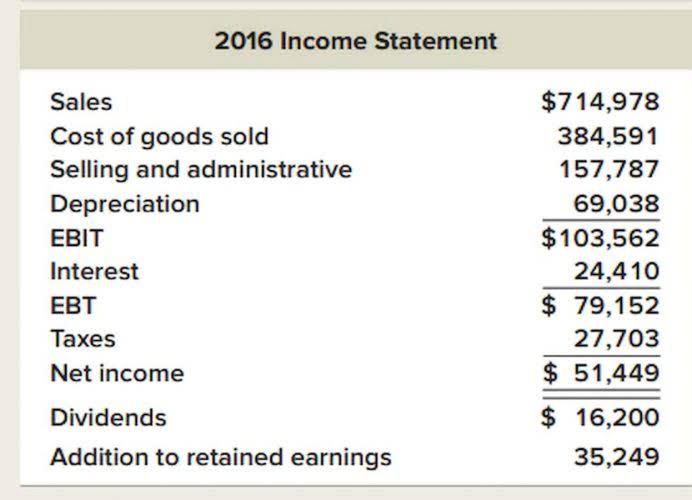
Similarly, the income statement should report all revenues that have been earned—not just the revenues that have been billed. After further review, it is learned that $3,000 of work has been performed (and therefore has been earned) as of December 31 but won’t be billed until January 10. Because this $3,000 was earned in December, it must be entered and reported on the financial statements for December. An adjusting entry dated December 31 is prepared in order to get this information onto the December financial statements. A business needs to record the true and fair values of its expenses, revenues, assets, and liabilities.
When are adjusting entries made?
In this sense, the expense is accrued or shown as a liability in December until it is paid. Uncollected revenue is revenue that is earned during a period but not collected during that period. Such revenues are recorded by making an adjusting entry at the end of the accounting period. Most businesses report issues with AR discrepancies; making regular adjustments is key to avoiding errors during audits and ensuring accurate financial reporting.
In this sense, the company owes the customers a good or service and must record the liability in the current period until the goods or services are provided. Businesses often offer early payment discounts or trade discounts to incentivize customers to pay quickly or to establish favorable relationships with suppliers. To maintain accurate financial records, it’s important to account for these discounts properly in the accounts receivable journal.